

 11
11
Literature often acts as a mirror to society, reflecting not just our virtues but our deepest taboos and complexities. Writers throughout history have used provocative themes to challenge readers and explore the boundaries of human relationships. One such emerging term in literary criticism and niche genre analysis is Incestflox. While the term itself may sound modern or obscure, the thematic elements it describes have roots that stretch back to ancient tragedies.
This article explores the concept of Incestflox, analyzing its origins, its significance in storytelling, and how it manifests in various literary works.
To understand Incestflox in literature, we first need to break down the concept. It is not a standard academic term found in centuries-old textbooks, but rather a neologism that has emerged—likely from digital communities or niche literary circles—to describe a specific narrative arc or trope.
It generally refers to a complex, often darker narrative thread involving taboo familial relationships that are central to the plot’s conflict or character development. The suffix “-flox” might suggest a state of flux, toxicity, or a specific sub-genre classification within modern tagging systems used in online fiction repositories.
In this context, Incestflox isn’t just about the presence of a taboo; it is about the function of that taboo. It serves as a catalyst for tragedy, a test of morality, or a symbol of societal decay.
While the specific label Incestflox is new, the foundation it rests upon is ancient. To analyze this concept effectively, we have to look at where it started.

The most famous example is undoubtedly the story of Oedipus Rex by Sophocles. While not labeled Incestflox at the time, the narrative structure fits perfectly. The protagonist unwittingly commits a grave taboo, and the resulting fallout destroys his world. In Greek mythology, the gods themselves often engaged in these relationships, symbolizing a power structure that operated above human morality.
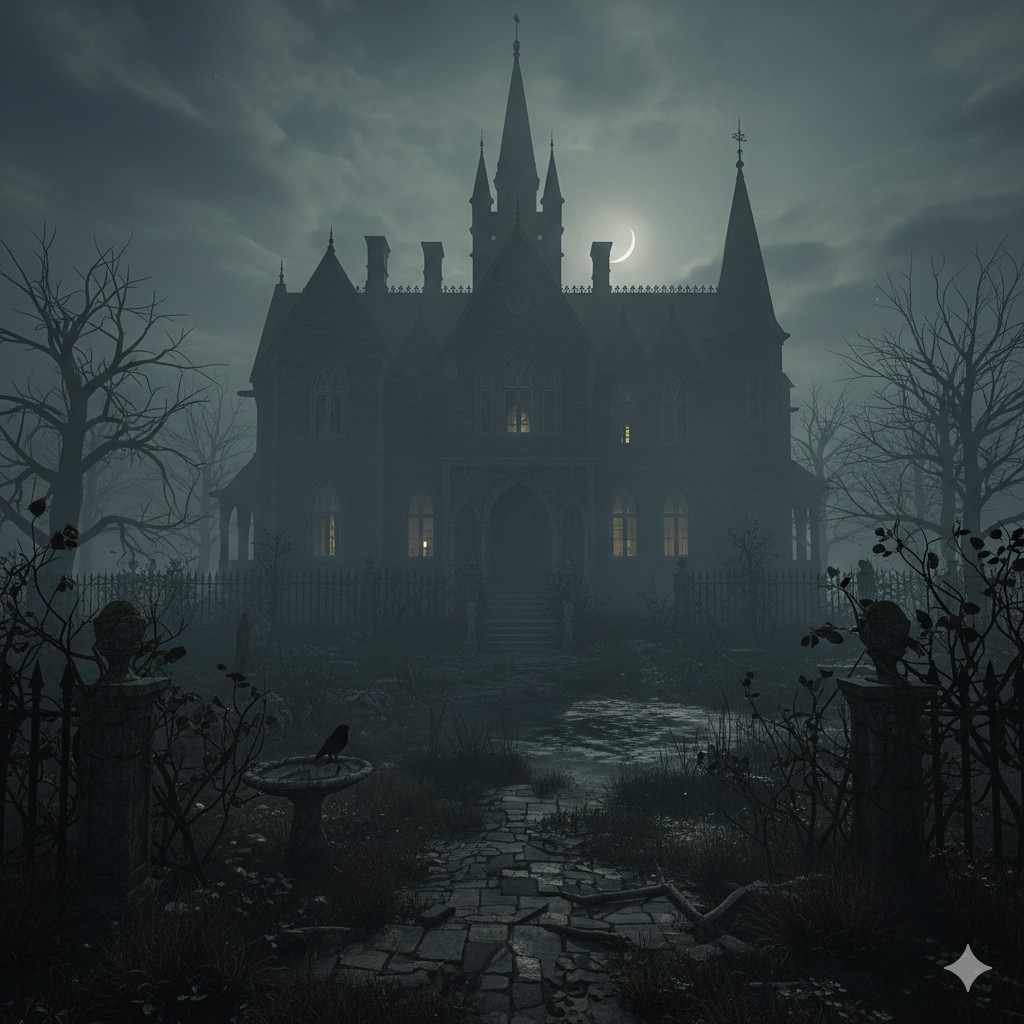
Moving into the 18th and 19th centuries, Gothic literature embraced themes of isolation and decaying aristocratic bloodlines. Authors like V.C. Andrews in the modern era, or even earlier Gothic writers, used insular family dynamics to create a sense of claustrophobia. The Incestflox element here represents the “rot” within a lineage—a physical manifestation of a family’s unwillingness to change or interact with the outside world.
Why do authors use such uncomfortable themes? Why does Incestflox persist as a subject of analysis? It is rarely used for mere shock value in high-quality literature. Instead, it serves several critical functions.
Great stories need high stakes. In many societies, the familial taboo is the ultimate line that cannot be crossed. When a character approaches or crosses this line, the tension is immediate and visceral. It forces the reader to grapple with intense moral ambiguity.
Incestflox narratives often explore intense codependency. Characters involved in these dynamics are frequently isolated from the rest of society. This allows the author to examine human psychology in a vacuum. What happens to love, loyalty, and morality when the outside world is stripped away?
Often, these narratives are actually about power dynamics. They highlight how authority figures within a family unit can manipulate trust. In this light, the theme becomes a critique of patriarchal power or abusive control, rather than a romanticization of the act itself.
The term Incestflox likely gains much of its traction from the world of online literature and fan fiction archives. In these spaces, specific tags are created to warn readers or categorize very specific tropes.
Digital platforms have democratized publishing, allowing for the exploration of niche genres that traditional publishing might shy away from. Here, Incestflox might be used as a content tag to denote a story that deals with “complex” or “dark” familial angst. It allows readers to curate their experience, either seeking out these psychological thrillers or avoiding them entirely.
Modern authors are increasingly deconstructing these tropes. Instead of presenting them as pure tragedy, they might analyze the trauma that leads to such dynamics. The focus shifts from the act itself to the psychological scars of the characters. This nuanced approach elevates the genre from simple taboo to a complex study of broken people.
If we apply the Incestflox framework to well-known works, we can see new layers of meaning.
The concept of Incestflox in literature is difficult to discuss, but it remains a potent tool for examining the darker corners of the human experience. Whether it is used to symbolize the corruption of power in a fantasy kingdom or the tragic isolation of a Gothic family, it forces readers to confront uncomfortable truths. By giving this narrative thread a name, we can better analyze its recurring role in storytelling history.
Literature will always push boundaries, and understanding terms like this helps us appreciate the complexity of narrative structures. For more deep dives into literary analysis and genre studies, be sure to check out the other articles on trezx.com.