

 11
11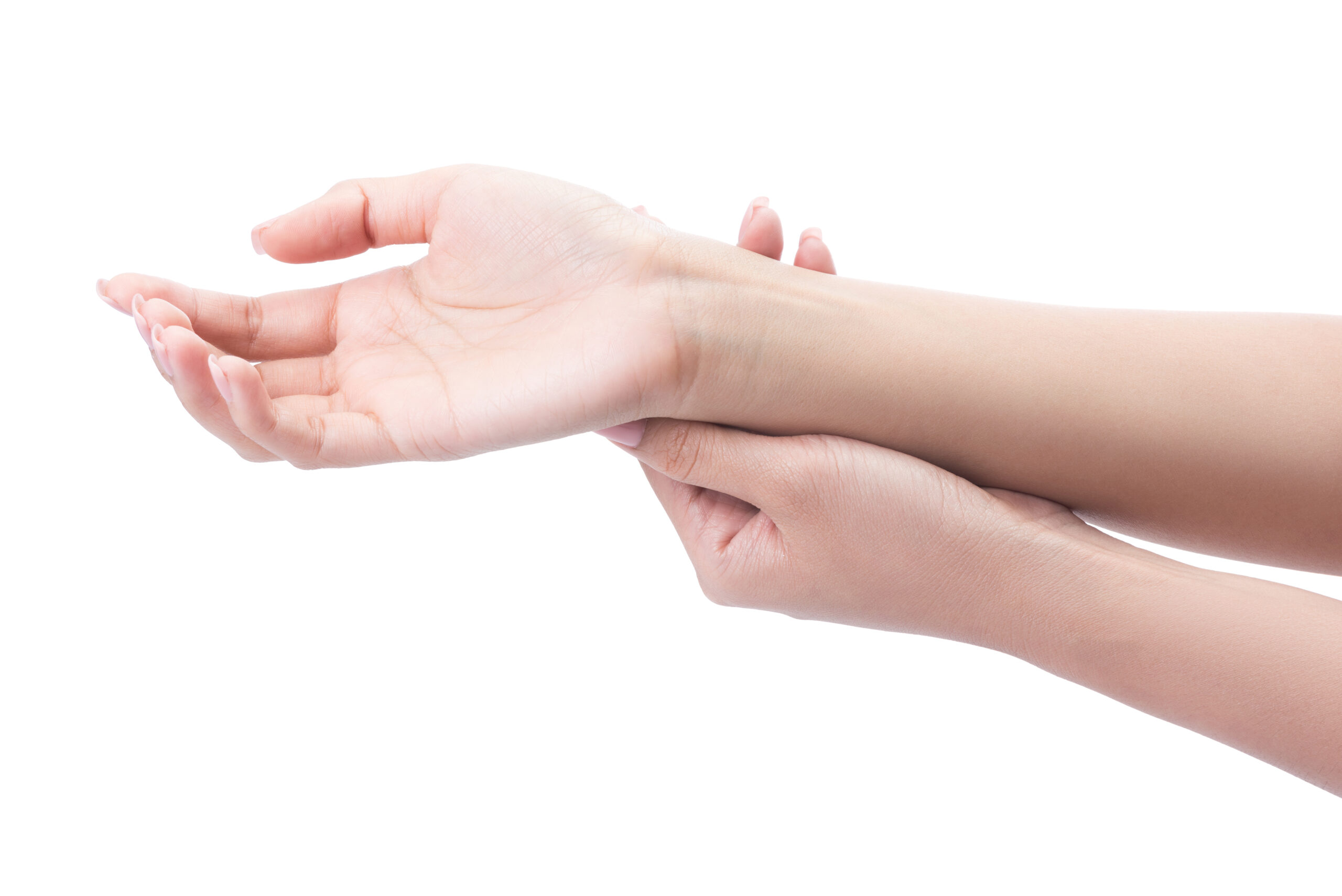
Have you ever finished a long session of guitar playing, an intense rock climbing workout, or hours of typing, only to find your hands shaking or feeling incredibly weak? You aren’t alone. Hand fatigue is a common issue for anyone who relies on fine motor skills or grip strength for their hobbies and work. While pushing your limits is great for growth, recovery is where the real strength is built.
This guide explores exactly how to recover weakness after hand practice, ensuring you can get back to doing what you love without pain or long-term injury. We will cover everything from immediate relief techniques to long-term nutritional strategies that support muscle repair.
Before diving into solutions, it helps to understand the problem. Your hands contain an intricate network of muscles, tendons, and ligaments. When you engage in repetitive tasks—whether that’s practicing scales on a piano, gripping a tennis racket, or rapid-fire gaming—you create micro-tears in muscle fibers and deplete local energy stores.
This process is normal. It’s how muscles grow stronger. However, without proper recovery, this “good” stress can turn into chronic strain, leading to persistent weakness, stiffness, or even conditions like tendonitis. Knowing how to recover weakness after hand practice is essentially knowing how to manage this stress cycle effectively.
The most critical step in recovery is often the one we resist the most: stopping. When you feel weakness setting in, your body is signaling that its resources are depleted.
Active recovery differs from total inactivity. You don’t need to freeze your hands entirely, but you must stop the specific repetitive motion that caused the fatigue. If you’ve been typing for four hours, step away from the keyboard. If you’ve been practicing grip strength, put the weights down.
Aim for a “cool-down” period immediately after your session. Just as runners walk after a sprint, give your hands a transition period. Gently shake them out to encourage blood flow without strain. This simple act flushes out metabolic waste products like lactic acid that accumulate during intense activity.
Once you have rested briefly, gentle stretching can significantly speed up recovery. Tight muscles restrict blood flow, which slows down the delivery of nutrients needed for repair.
Here are three simple stretches to help you recover weakness after hand practice:
Place your palms together in front of your chest, fingers pointing up. Slowly lower your hands toward your waist while keeping palms pressed together. You should feel a gentle stretch in your forearms and wrists. Hold for 15-30 seconds.
Extend one arm in front of you with the palm facing up. Use your other hand to gently pull your fingers back toward your body. This targets the muscles on the underside of your forearm, which are often overworked during gripping tasks.
Place your hand flat on a table. Lift each finger individually, then lift them all together. This active mobility exercise helps re-engage the extensor muscles, balancing out the flexion (gripping) work you’ve likely been doing.
You might associate dehydration with full-body exhaustion, but it affects small muscle groups too. Your muscles need water to function and repair. Dehydrated tissues are more prone to cramping and stiffness.
If you are wondering how to recover weakness after hand practice faster, look at your water intake. Drinking water before, during, and after your practice session helps maintain the elasticity of the connective tissues in your hands and wrists. Electrolytes are also key. If your practice was particularly sweaty or intense, consider a drink with sodium and potassium to replenish what was lost.
Your hands are tools made of bone and muscle. Like any other body part, they require fuel to rebuild. Weakness often persists because the body lacks the building blocks to repair the micro-tears caused by exertion.
Focus on these nutrients to support recovery:
Temperature therapy is a classic athlete’s tool that works wonders for small extremities like hands.