
 11
11
John Ritter possessed a rare gift. He could make you laugh until your sides hurt with a simple pratfall, then break your heart with a subtle shift in expression just moments later. Decades after his untimely passing, audiences are still discovering and rewatching his vast body of work.
Whether you grew up watching Jack Tripper trip over a sofa or you’re just now streaming his films, his charisma is undeniable. But what is the secret sauce? Why do john ritter shows and movies continue to captivate viewers in an era dominated by high-budget streaming giants and viral TikTok clips?
The answer lies in a perfect storm of physical comedy genius, deeply relatable characters, and a warmth that transcends the screen.
When people think of John Ritter, the first image that often comes to mind is Jack Tripper from Three’s Company. This role defined a generation of sitcoms. While the premise of the show was built on misunderstandings and innuendo, the engine that kept it running was Ritter’s physical agility.
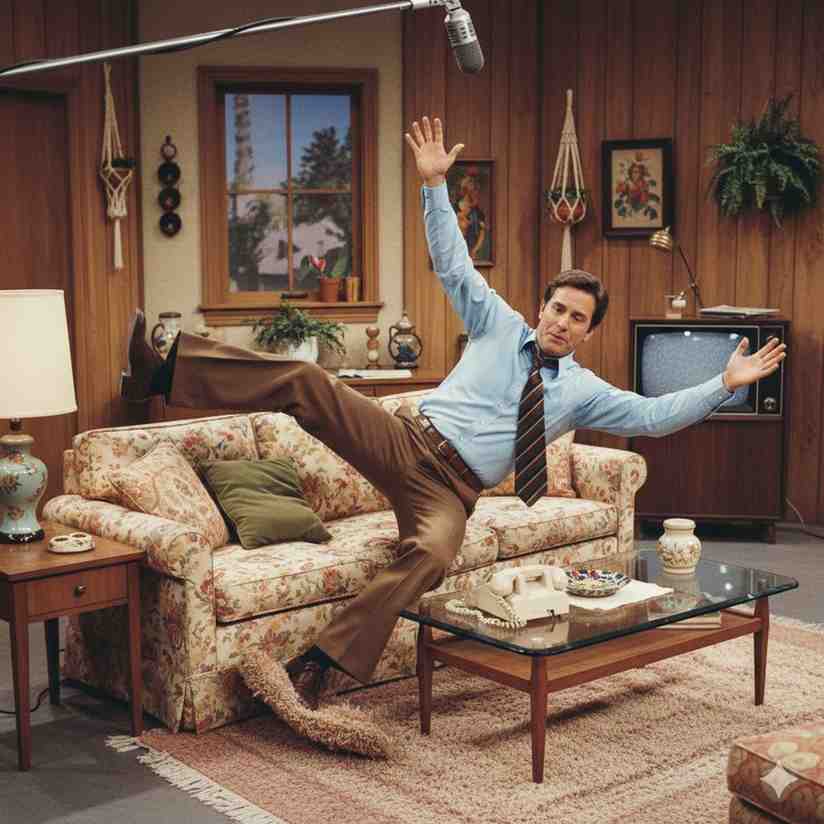
He was often compared to legends like Buster Keaton and Lucille Ball. Ritter treated his body like an instrument. He didn’t just walk into a room; he tumbled, slid, and danced his way through scenes. This kind of physical comedy is a lost art in many modern sitcoms, which tend to rely heavily on dialogue and sarcasm.
Watching john ritter shows and movies today feels refreshing because that kinetic energy is timeless. A well-executed trip over a rug is funny in 1978, and it is still funny in 2025. It crosses language barriers and generational divides. His ability to sell a gag with his entire being makes his performances magnetic.
While Three’s Company made him a household name, his versatility kept him there. His career wasn’t a one-note success story; it was a tapestry of characters that showcased his range.
In Three’s Company, Jack Tripper wasn’t just a clown. He was vulnerable. He was often the butt of the joke, yet he maintained a dignity that made us root for him. He represented the everyday guy trying to navigate a confusing world, usually with hilarious results.
In the Problem Child movies, Ritter took on a different archetype: the overwhelmed but loving father. Playing Ben Healy, he was the straight man to the chaos caused by his adopted son, Junior. This role showcased his ability to play reactive comedy. His exasperation was palpable, yet his heart remained open. It’s a performance that resonates with parents everywhere who have ever felt out of their depth.
Ritter also shined in serious roles. In films like Sling Blade, he shed his comedic persona entirely to play a closeted gay man in the rural South. This performance reminded the industry that he was a classically trained actor first and a comedian second. When fans dive deep into john ritter shows and movies, they are often surprised by this dramatic weight.
Why do we keep coming back? Because John Ritter felt like a friend.
Celebrities often feel distant or untouchable, but Ritter had an “everyman” quality that was impossible to fake. He didn’t play heroes who saved the world; he played guys who were just trying to pay the rent or raise a kid.
In his final role as Paul Hennessy in 8 Simple Rules, he captured the anxiety and love of a father raising teenage daughters. The show dealt with dating, driving lessons, and curfews—universal experiences. His reactions were our reactions. By grounding his characters in reality, he ensured that his work would age gracefully. We see ourselves in his triumphs and his embarrassments.
There is a powerful psychological element to the popularity of john ritter shows and movies: comfort.
The world can be a stressful, unpredictable place. Turning on an episode of Three’s Company or watching Clifford the Big Red Dog (where he voiced the titular character) acts as a visual comfort blanket. It transports viewers back to a simpler time.
For those who grew up in the 70s, 80s, or 90s, his voice and face are linked to childhood memories of family movie nights or after-school TV binges. This nostalgia factor is potent. Parents introduce their children to Ritter’s work not just because it’s funny, but because they want to share that feeling of warmth they experienced growing up.
John Ritter’s passing in 2003 was a shock to the world, but his legacy has never faded. If anything, the digital age has made his work more accessible than ever. Clips of his best pratfalls go viral on social media, introducing him to Gen Z. Streaming services have made it easy to binge his entire filmography.
His influence is also seen in modern actors. Many current comedic stars cite Ritter as a major inspiration, attempting to emulate his unique blend of physical humor and genuine heart.
Ultimately, the enduring popularity of john ritter shows and movies comes down to joy. He loved performing, and that joy radiated through the lens. Whether he was fighting a killer doll in Bride of Chucky or tripping over a plant stand in an apartment in Santa Monica, he gave it 100%. Audiences can feel that dedication, and that is why we will never stop watching.
For more deep dives into entertainment history and celebrity legacies, be sure to visit trezx.com to read more articles.