

 11
11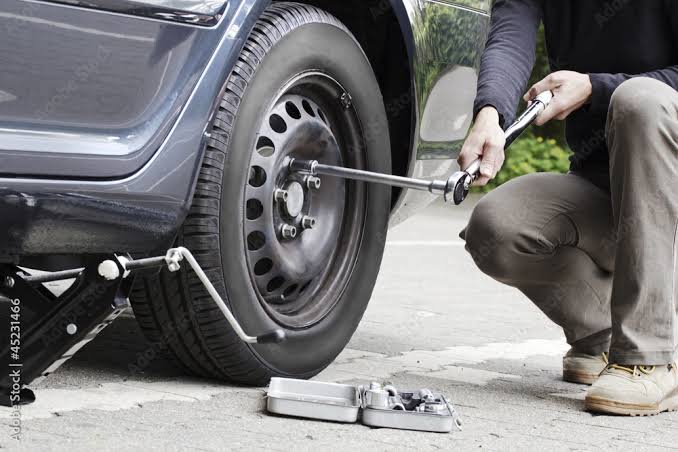
A flat tire can happen to anyone, at any time. It’s an inconvenience that can leave you stranded on the side of the road, feeling helpless. But what if you could handle it yourself? Learning how to change a tire is a fundamental life skill that provides self-reliance and peace of mind. This guide will walk you through the entire process, from gathering the right tools to getting your car safely back on the road. We’ll cover everything you need to know, so you can face a flat tire with confidence.
Before you start, make sure you have the necessary equipment. Most cars come with a basic tire-changing kit, usually stored in the trunk with the spare tire. It’s a good idea to locate these items in your vehicle before you ever need them.
Spare Tire: This can be a full-size spare or a smaller “donut” tire. Check its pressure regularly.
Jack: This device lifts your vehicle off the ground.
Lug Wrench: Used to loosen and tighten the lug nuts that hold the wheel onto the car.
Owner’s Manual: This is your best resource for vehicle-specific information, including the correct jack points.
Wheel Wedges (or Chocks): These prevent the car from rolling while jacked up. If you don’t have them, a sturdy rock or piece of wood can work in a pinch.
Gloves: Protect your hands from dirt and grime.
Flashlight: Essential if you get a flat tire at night.
Follow these steps carefully to ensure a safe and successful tire change.
Your safety is the top priority. As soon as you realize you have a flat, slow down and pull over to a safe, level spot away from traffic. A parking lot is ideal, but a wide shoulder on a straight stretch of road will also work. Avoid stopping on hills or soft ground. Once parked, turn on your hazard lights.
Put your car in park and engage the parking brake firmly. This prevents the car from moving. Next, place the wheel wedges behind the tires on the opposite end of the car from the flat. For example, if you have a flat rear tire, place the wedges in front of the front tires.
Before you lift the car, use the lug wrench to loosen the lug nuts on the flat tire. You may need to remove a hubcap first. Turn the lug wrench counter-clockwise to loosen. The nuts might be tight, so you may need to use your body weight by stepping on the wrench. Do not remove the lug nuts completely yet; just break them loose about a half-turn.
Consult your owner’s manual to find the correct jack point on your vehicle’s frame. Placing the jack in the wrong spot can cause serious damage to your car. Position the jack under the designated point and begin raising it until it supports, but does not lift, the car. Make sure the jack is stable and perpendicular to the ground. Now, continue to raise the car until the flat tire is about six inches off the ground.
With the car securely lifted, you can finish unscrewing the lug nuts by hand. Keep them in a safe place, like your pocket or a hubcap, so you don’t lose them. Once all the nuts are off, grip the tire with both hands and pull it straight toward you until it comes off. Lay the flat tire on its side to prevent it from rolling away.
Lift the spare tire and align its holes with the lug bolts on the wheel hub. Push it on as far as it will go. Replace the lug nuts and tighten them by hand until they are snug. You want the tire to be held securely against the hub.
Carefully lower the vehicle by turning the jack handle in the opposite direction. Lower it until the spare tire is just touching the ground but the car’s full weight is not yet on it. Now, use the lug wrench to tighten the lug nuts as much as you can. It’s best to tighten them in a star pattern to ensure the wheel is mounted evenly.
Lower the car completely and remove the jack. Once the car is fully on the ground, give the lug nuts one final, firm tightening with the wrench. Put the hubcap back on if you have one.
Place the flat tire, jack, and tools back in your trunk. It’s a good practice to check the tire pressure of the spare at the nearest gas station. Donut spares often require higher pressure than standard tires and are not meant for long distances or high speeds.
Knowing how to change a tire also means knowing what not to do. Here are a few common errors:
Forgetting the Parking Brake: This is a critical safety step. A car can easily roll off a jack if the brake is not engaged.
Jacking in the Wrong Spot: Placing the jack on a plastic panel or a weak part of the frame can lead to costly damage. Always use the reinforced jack points.
Loosening Lug Nuts in the Air: Trying to loosen tight lug nuts while the car is jacked up is difficult and can make the vehicle unstable. Always loosen them while the tire is on the ground.
Driving Too Fast on a Spare: Most spare tires are temporary fixes. They are not designed for highway speeds or long trips. Check the tire’s sidewall for speed and mileage limitations.
Proper maintenance can reduce your chances of getting a flat in the first place.
Check Tire Pressure Monthly: Use a tire pressure gauge to ensure your tires are inflated to the recommended PSI, which is listed on a sticker inside the driver’s door jamb.
Rotate Your Tires: Have your tires rotated every 5,000 to 7,000 miles to promote even tread wear.
Inspect Your Tread: Use the “penny test.” Insert a penny into the tread with Lincoln’s head upside down. If you can see all of his head, it’s time for new tires.
Check Your Spare: Don’t forget about your spare! Check its pressure every few months to ensure it’s ready when you need it.
Learning how to change a tire is an empowering skill that every driver should possess. It transforms a potential crisis into a manageable task. Now that you have the knowledge, consider doing a practice run in your driveway on a nice day. This will help you become familiar with your car’s specific equipment and build the confidence you need to handle a flat tire like a pro.